Dubuque Physical Therapy | Sports & Orthopedic PT

August-2022-2
What Physical Therapy Can Do For Arthritis

(Used with permission from the American Physical Therapy Association Private Practice Section)

WHAT EXACTLY IS ARTHRITIS?

What Physical Therapy Can Do For Arthritis

Arthritis is a chronic condition that causes inflammation of the joints. It can cause pain, stiffness, and swelling. The hips, knees, hands, and spine are the most commonly affected joints. Arthritis is not a single disease but an umbrella term that includes a variety of different types. Some of the more common examples are osteoarthritis, rheumatoid arthritis, gout, psoriatic arthritis and ankylosing spondylitis.

RE-THINK YOUR TREATMENT While physical therapy might not be the first treatment you think of for arthritis, it probably should be. A lot of people with arthritis choose to use medication to manage their pain, stop activities that hurt, and wait for things to get bad enough to have a joint replacement. But this isn’t a great plan – all medications have side effects, even over the counter ones. Reducing activity leads to muscle atrophy and even stiffer joints. Even though joint replacement surgery usually has good outcomes, it does come with its own set of risks and a painful recovery.

WHY EXERCISE? Physical therapy has been extensively researched as a treatment for arthritis, and demonstrates good outcomes. Physical therapists typically start with exercise as the base for arthritis treatment. Exercise helps to regain lost joint motion, decrease feelings of stiffness, and strengthen muscles surrounding the affected joint. These benefits are all somewhat obvious.

What surprises many people is that exercise has been shown to be as effective as medication for pain relief in many types of arthritis, without the side effects.

WHAT ELSE CAN PT DO? Physical therapy has more to offer people with arthritis than just exercise though. Education helps people understand their condition, what to expect, and how to manage it. As experts in human movement, physical therapists are especially good at helping people modify the way they perform certain tasks or activities to reduce strain on joints affected by arthritis. They can also suggest ways to modify the environment at work or home to reduce pain and improve function. They may also suggest things like braces, orthotics, or other devices that can help maintain mobility and reduce pain. On top of all of that, PT has been proven to be a cost effective treatment, too.

TRY PT FIRST With so many techniques that are proven effective in helping people with arthritis, physical therapy is a recommended first line treatment for many types of arthritis. Now that you have a better understanding of what PT can do, hopefully you’ll think of PT first when you think of arthritis too.

References:

  1. Research (peer-reviewed)
    1. PT for juvenile RA – https://pubmed.ncbi.nlm.nih.gov/1946625/
    2. PT for hip and knee OA – https://pubmed.ncbi.nlm.nih.gov/33034560/
    3. Systematic Review for Juvenile RA – https://pubmed.ncbi.nlm.nih.gov/28729171/
  2. Articles and Content
    1. Effectiveness and Cost-Effectiveness of Physical Therapy for Knee Osteoarthritis-  https://www.rheumatology.org/About-Us/Newsroom/Press-Releases/ID/718
    2. Can physical therapy reduce arthritis pain? – https://www.medicalnewstoday.com/articles/physical-therapy-for-arthritis
pexels-kampus-production-8346674
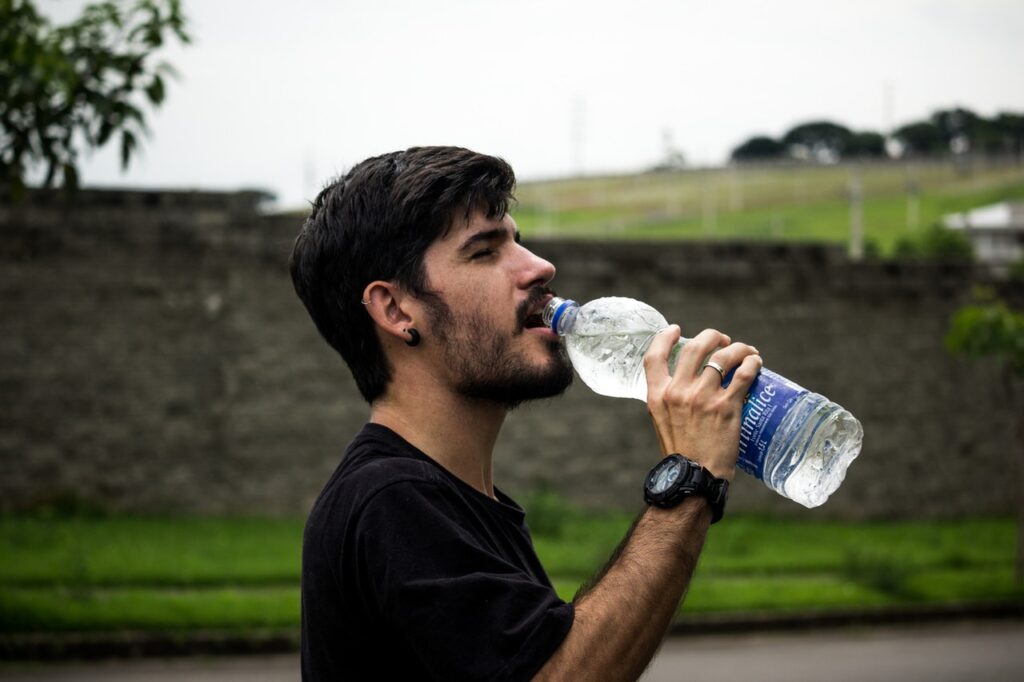
Are You Drinking Enough Water?

Written by Ashley Wood, PT

Importance of Drinking Water

Water is one of the six nutrients that is essential for life.  While your body can survive for weeks without food, you can only survive a few days without water.  Water makes up 50%-70% of your body weight and is important for all systems in your body to function properly.

Some of the roles water plays in your bodies include:

  • getting rid of waste
  • regulating body temperature
  • carrying nutrients and oxygen to all cells of the body
  • converting food to energy
  • cushioning vital organs
  • and lubricating joints

If you are not taking in enough water, your body is unable to function properly.

If you have poor hydration…

  • Your circulation can be affected and prevent your organs from getting necessary nutrients.
  • You can feel tired, irritable, and cranky.
  • You can have difficulty focusing and thinking clearly, which can make you less productive.
  • You can feel stiff, sore, and achy.

How Much Is Enough?

Many people do not drink enough water every day.  At a minimum, you should drink half of your body weight in ounces every day.  So, if you weigh 150 pounds, you should be drinking 75 ounces of water each day.  Some of your fluid intake can be from drinks that are made primarily of water such as tea, fruit juices, sports drinks, and coffee, but most of your fluid intake should be water.  If you are drinking caffeinated drinks, you can only count half the amount of that beverage (16 ounces of caffeinated coffee would count for 8 ounces of fluid intake).  This is because caffeine can promote increased urination, so you will be losing some of the fluid you are taking in.  Keep in mind that drinking sports drinks, fruit juices, and other sweetened drinks increases the amount of sugar you are consuming, so it is a good idea to drink these sparingly.  The recommendation for daily water intake is based on your body working under normal conditions.  If the weather is hot/humid or you are exercising, you will need to increase your water intake since your body will be losing more fluids through sweat.

Signs You Are Not Getting Enough Water

The best way to tell if you are well hydrated is by the color of your urine.  Urine should be pale yellow (like lemonade) in color to nearly colorless.  If your urine is darker in color, then you need to drink more water.  Being thirsty is another sign that you are dehydrated.  You should be drinking water consistently throughout the day to avoid getting to the point that you feel thirsty.

Signs of dehydration include: 

  • dry mouth
  • headaches
  • nausea
  • decreased urine output
  • confusion
  • dizziness
  • lightheadedness
  • fatigue
  • extreme thirst
  • constipation
  • dry skin
  • heart palpitations
  • low blood pressure.  

These can be acute signs of dehydration, but you can also be chronically dehydrated and have some of the symptoms.

Tips for Increasing Water Intake

Increasing your water intake to the daily recommended amount can seem like a daunting task.  The first rule of thumb is not to do this all in one day, or you will spend most of your time in the bathroom.  Instead, gradually increase your fluid intake by 4-8 ounces every 1-2 days to allow your body to adjust to the extra fluid.  Tips for making sure you are getting enough water each day include:

  1. Drink a glass of water each morning before you eat breakfast.
  2. Keep a jug of the recommended amount of water in your refrigerator and make sure you drink it all every day.
  3. Carry a water bottle with you and drink regularly between meals.
  4. Drink a glass of water with each meal.
  5. Drink water before, during, and after exercise.
  6. Eating plenty of fruits and vegetables can increase the amount of fluid you are taking in because they tend to have a high water content. Fruits and vegetables that are particularly high in water include lettuce, celery, zucchini, cabbage, and melons.
  7. If you do not like drinking plain water, use a fruit infuser water bottle to naturally flavor your water with fruits such as lemons, limes, and strawberries. There are a lot of enhancers to flavor water on the market, but be aware that these have added sugar or artificial sweeteners and should be used sparingly.

Increasing the amount of water you are drinking is a simple an inexpensive way to improve your overall health.  Every system in your body depends on water to function properly.  If you have further questions about this topic, consult with your health care provider for further information. 

Elevate Your Heart Rate With Physical Therapy

(Used with permission from the Private Practice Section of the American Physical Therapy Association)

Heart disease is a leading cause of death and disability.

This shouldn’t be a surprise – it’s been at the top of the list for years. You know that taking care of your heart is important. That means doing things like eating right, avoiding smoking, and exercising regularly. While all of those things can be difficult, today we’re going to focus on exercise.

How Physical Therapy Can Help With Your Heart Health

Cardiovascular exercise is anything that makes you breathe harder and your heart pump faster. That could be walking, running, dancing, biking, swimming or hiking. It strengthens your heart and blood vessels. It can help control weight, lower blood pressure, reduce stress, and prevent heart disease.

If you’re regularly going for a run or swimming laps, you don’t need help from your PT. But 3 out of 4 adults aren’t exercising regularly. If you’d like to get started, your PT may be just the person to help you. It’s not uncommon to get injured, then never get back to your old routine. Your PT can help you deal with the old injury and design a plan to get you safely back to regular activity.

It’s also not uncommon to try to be more active on your own, only to stir up pain somewhere like your back, hip, knee or shoulder. Your PT can help with that too. They’ll figure out why you’re having pain, help you correct it, and get you a plan to reach your goals.

Physical therapists can also help you safely increase your activity levels after major medical issues like a heart attack, stroke, or even cancer. Recent research has shown improvements in cardiovascular fitness, fatigue levels and even pain in cancer patients who participate in a personalized physical fitness plan from a PT.

Whatever your barriers to physical activity are, your PT can likely help you overcome them. As movement experts, physical therapists are trained to deal with a variety of conditions. They’ll help you work around whatever issues you have so you can safely elevate your heart rate and keep cardiovascular disease away.