
Dubuque Physical Therapy | Sports & Orthopedic PT

Moving Through Fibromyalgia
Moving Through Fibromyalgia With Physical Therapy

Nearly 5 million people in the United States have fibromyalgia. This chronic condition causes widespread pain, fatigue, and cognitive issues. It can be difficult to manage and can severely impact quality of life. The best treatment plans combine exercise, modalities and education. Physical therapists are experts in all three, so they’re the perfect practitioner to help!

Exercise 

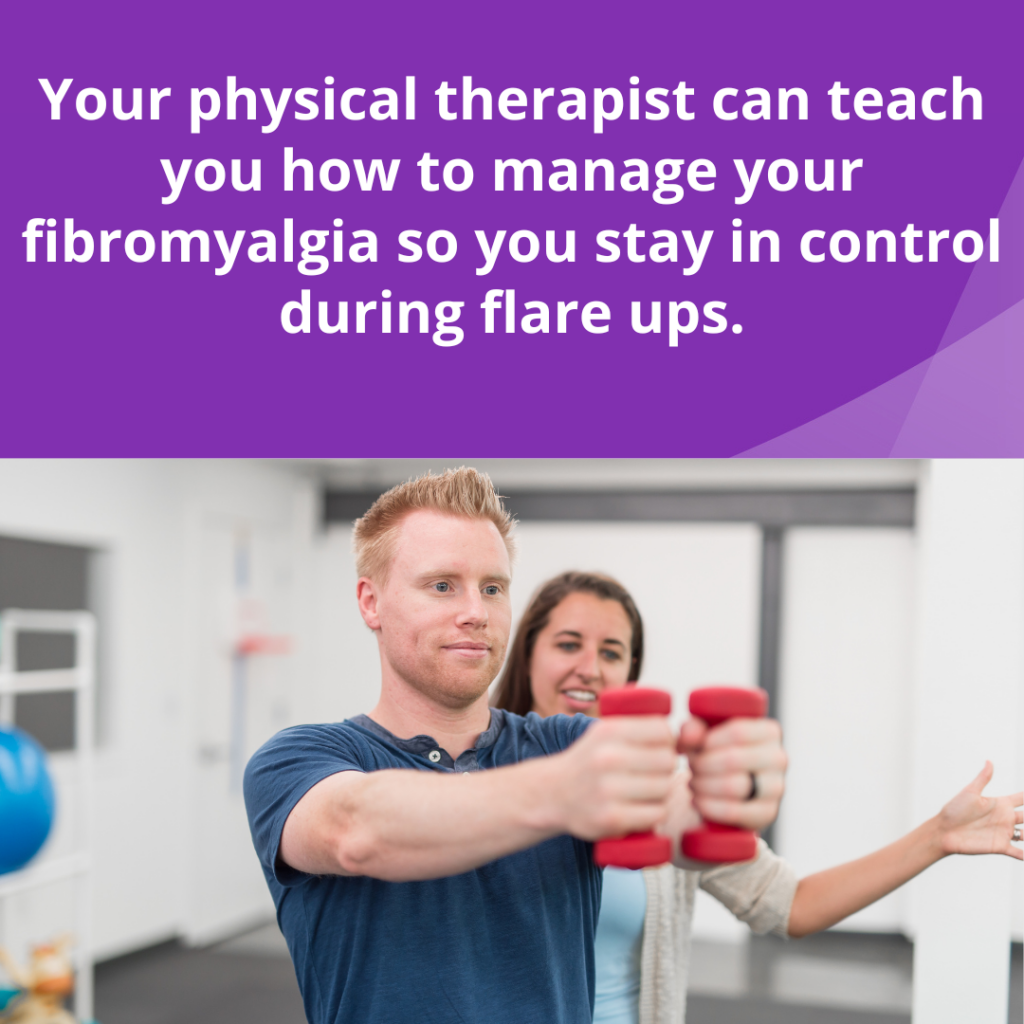
Currently, recommendations for the management of fibromyalgia include patient education and non-pharmacological interventions. The right exercise routine can help with pain, fatigue, sleep disturbances, depression, and more. A combination of strengthening, stretching and aerobic exercise is the most effective. You and your PT will work together to find the right type and intensity of exercise to best manage your symptoms.

Modalities

Moving Through Fibromyalgia With Physical Therapy

Exercise isn’t the only tool the PT has to help people with fibromyalgia though. Gentle manual therapy and massage have been shown to help reduce pain and muscle stiffness caused by fibromyalgia. Physical therapists also use modalities to reduce symptoms.

Examples include:
● electrical stimulation
● laser
● biofeedback
● dry needling in states where it is allowed

In addition to land-based exercise, some clinics also have the option of aquatic therapy. This combines the benefits of exercise with the warmth of a therapeutic pool.

Education

Education is another important component in treating fibromyalgia. A physical therapist spends more time with their patients than most other practitioners. They have the time to help you understand what’s going on, and what you can do about it. Research shows that people with more knowledge about their condition have better outcomes, more confidence, and cope better.

While there is no cure for fibromyalgia, physical therapists can help with pain management, strength, mobility, fatigue and function to help patients find relief from their symptoms.
Moving Through Fibromyalgia With Physical Therapy

References:

Research (peer-reviewed)
● Therex effectiveness – https://www.ncbi.nlm.nih.gov/pmc/articles/PMC5632473/
● PT for fibromyalgia – https://pubmed.ncbi.nlm.nih.gov/31140398/
● Exercises for fibro – https://pubmed.ncbi.nlm.nih.gov/29185675/
● Manual therapy for fibro – ​​https://pubmed.ncbi.nlm.nih.gov/32604939/
● Aquatic PT for fibro – https://pubmed.ncbi.nlm.nih.gov/23818412/
● Effectiveness of exercise with fatigue, etc for fibro – https://pubmed.ncbi.nlm.nih.gov/32721388/

Articles and Content
https://pubmed.ncbi.nlm.nih.gov/11028838/
https://pubmed.ncbi.nlm.nih.gov/36051912/
https://www.choosept.com/guide/physical-therapy-guide-fibromyalgia

pexels-andrea-piacquadio-3807730
Fibromyalgia – What to Do When the Fibro Ignites

Used with permission from the APTA Private Practice Section

As we head into the dog days of summer, the weather is heating up. For the nearly 5 million people in the United States with Fibromyalgia, they might experience a different kind of heat – the burning pain that typically comes along with this diagnosis.

What is Fibromyalgia?

Fibromyalgia is a chronic condition that can cause a wide range of symptoms throughout the body. It’s usually diagnosed between the ages of 30 and 50, and 80% to 90% of the people affected are women.

The most common symptoms are:

● chronic pain all over the body

● fatigue

● memory problems

● sleep disturbances

● depression or anxiety.

How Does Physical Therapy Help?

Because of the wide range of symptoms, fibromyalgia can be a debilitating condition. It is not uncommon for people to begin avoiding activities altogether because of pain and fatigue. This begins a cycle of deconditioning that not only impacts the person’s overall health, but also makes the symptoms of fibromyalgia worse. The cause of fibromyalgia is currently unknown and there is no cure, so physical therapy treatments are designed to reduce and manage the symptoms. This requires a multi-pronged approach.

Common treatments include:

Education

The first step in treating fibromyalgia is often helping people understand what’s going on, and what they can do about it. Research has shown that people who are knowledgeable about their condition have better outcomes, more confidence, and cope better.

Decrease Pain and Improve Range of Motion

Physical therapists are movement experts with a lot of tools and techniques to help with the pain and stiffness caused by fibromyalgia. A PT might use gentle manual therapy or massage, prescribe specific stretches, or a simple yoga routine. They might also use modalities like electrical stimulation, biofeedback or in states where it is allowed, dry needling.

Exercise

Once patients understand the condition and are able to move a little better with less pain, exercise often enters the treatment picture. Research has shown that low to moderate intensity aerobic exercise like walking, biking, or swimming is important in managing fibromyalgia symptoms. It can help with pain, fatigue, sleep disturbances, depression, and more. Physical therapists and patients work together to find the right type of exercise and the right intensity to best manage fibromyalgia. They often have to start slow, and make adjustments along the way.

Each physical therapy session is tailored to the needs of the patient and will vary depending on the severity of their symptoms. Despite there still being no cure for fibromyalgia, physical therapists can help with pain management, strength, mobility, fatigue and function to help patients find relief from their symptoms.