
Dubuque Physical Therapy | Sports & Orthopedic PT

pexels-andrea-piacquadio-3807730
Fibromyalgia – What to Do When the Fibro Ignites

Used with permission from the APTA Private Practice Section

As we head into the dog days of summer, the weather is heating up. For the nearly 5 million people in the United States with Fibromyalgia, they might experience a different kind of heat – the burning pain that typically comes along with this diagnosis.

What is Fibromyalgia?

Fibromyalgia is a chronic condition that can cause a wide range of symptoms throughout the body. It’s usually diagnosed between the ages of 30 and 50, and 80% to 90% of the people affected are women.

The most common symptoms are:

● chronic pain all over the body

● fatigue

● memory problems

● sleep disturbances

● depression or anxiety.

How Does Physical Therapy Help?

Because of the wide range of symptoms, fibromyalgia can be a debilitating condition. It is not uncommon for people to begin avoiding activities altogether because of pain and fatigue. This begins a cycle of deconditioning that not only impacts the person’s overall health, but also makes the symptoms of fibromyalgia worse. The cause of fibromyalgia is currently unknown and there is no cure, so physical therapy treatments are designed to reduce and manage the symptoms. This requires a multi-pronged approach.

Common treatments include:

Education

The first step in treating fibromyalgia is often helping people understand what’s going on, and what they can do about it. Research has shown that people who are knowledgeable about their condition have better outcomes, more confidence, and cope better.

Decrease Pain and Improve Range of Motion

Physical therapists are movement experts with a lot of tools and techniques to help with the pain and stiffness caused by fibromyalgia. A PT might use gentle manual therapy or massage, prescribe specific stretches, or a simple yoga routine. They might also use modalities like electrical stimulation, biofeedback or in states where it is allowed, dry needling.

Exercise

Once patients understand the condition and are able to move a little better with less pain, exercise often enters the treatment picture. Research has shown that low to moderate intensity aerobic exercise like walking, biking, or swimming is important in managing fibromyalgia symptoms. It can help with pain, fatigue, sleep disturbances, depression, and more. Physical therapists and patients work together to find the right type of exercise and the right intensity to best manage fibromyalgia. They often have to start slow, and make adjustments along the way.

Each physical therapy session is tailored to the needs of the patient and will vary depending on the severity of their symptoms. Despite there still being no cure for fibromyalgia, physical therapists can help with pain management, strength, mobility, fatigue and function to help patients find relief from their symptoms.

Lessons from the Hive

Written by Ben Fern, PT, MPT, Clinic Director

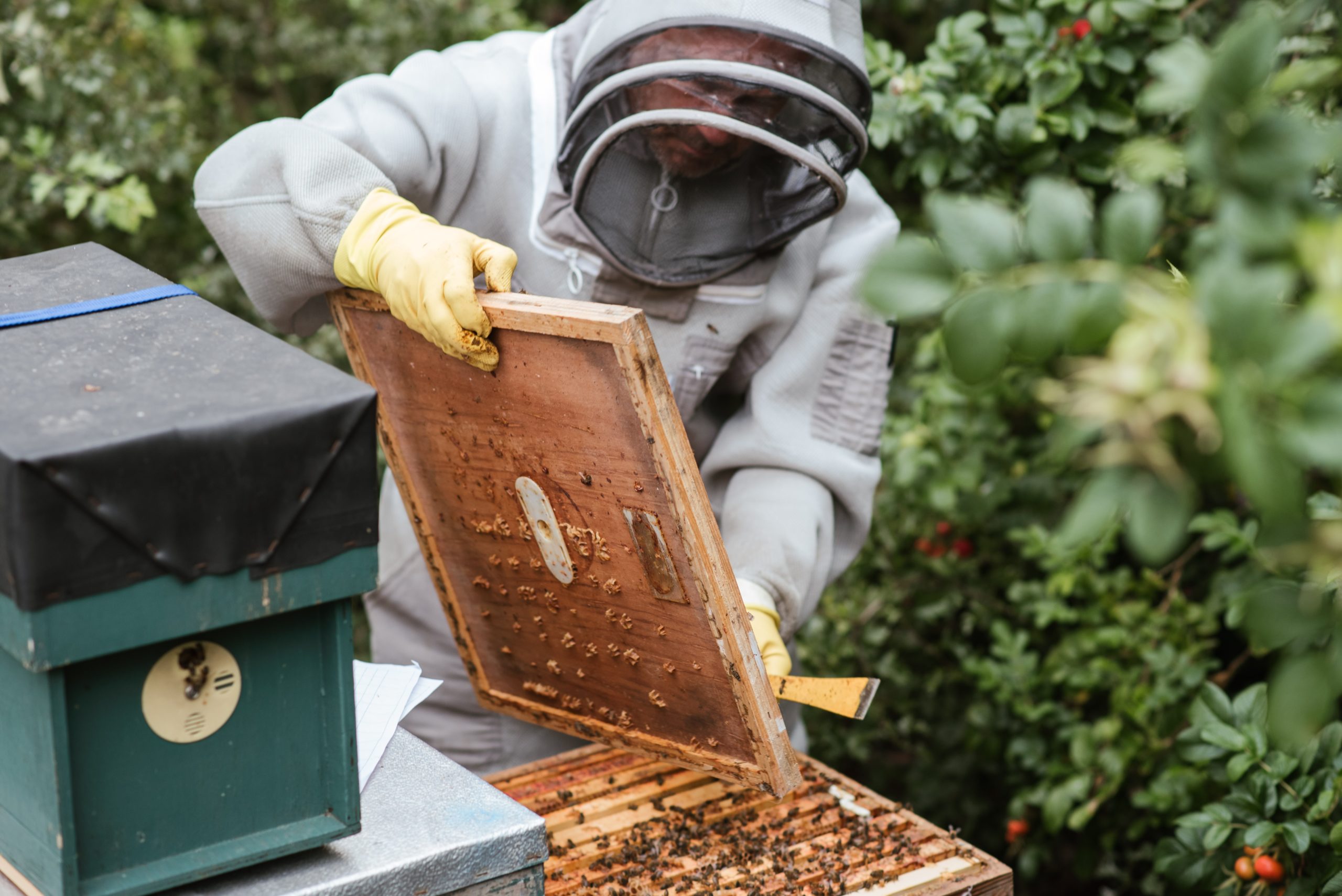
One of the many questions you encounter as a beekeeper (other than “are you crazy?”) is “how often do you get stung?” The answer varies from beekeeper to beekeeper, depending on how much protective clothing you want to apply in the heat of the summer, but for me, the answer is “plenty”. Getting acquainted with the business end of a honeybee is never pleasant but it does offer numerous lessons. One lesson is that honeybees are going to find your weak spots. Some veils leave a tiny opening just under the chin if you don’t cinch it up quite tightly enough, but you can pretty much guarantee that a bee will find that opening. Another lesson is that is it is never a good thing when you feel sweat trickling up your leg.        

Can You Beelieve it?

While you would think getting stung is a bad thing, the more you dive deep into beekeeping, the more you learn that there are actually benefits to getting stung. Getting stung by a bee and being exposed to its venom creates a pretty strong immune system response. Oftentimes, as beekeepers are exposed to bee venom more frequently, their swelling response becomes less and less as their immune system gets a frequent “tune-up”.

Bee a Good Listener

Bees don’t just set out to sting people, it happens for a reason. Maybe I am moving too fast and being clumsy. Maybe I am squishing bees when moving frames of honeycomb around. Maybe I am entering the hive at a poor time (at night, or when it is raining). The bees oftentimes reveal my mistakes and make me move more slowly and with better concentration and focus so that I won’t get stung.

Don’t Bee (too) Alarmed

Pain from an injury is oftentimes like the pain from a bee sting. When we have back pain, our body will alert us when we are sitting too long, or lifting too much, or not resting enough, or not moving enough. Pain can act as an alarm that alerts us to when we are threatening our tissue with stresses that it cannot handle. As PTs, we work with our patients every day on how to work through our pain so that we respond to that alarm correctly. We respond to that “alarm” by doing specific exercises, working on specific muscles, or doing gradually increasing amounts of activity. We also are there to help identify situations when our pain “alarm” is acting in a manner that is too sensitive (chronic pain) and how to quiet that alarm, but that is a discussion for another day.

So the next time you experience the sting of pain from an injury, listen to that alarm to see how you should respond, or contact a Physical Therapist at Dubuque PT to help you respond correctly.