
Dubuque Physical Therapy | Sports & Orthopedic PT

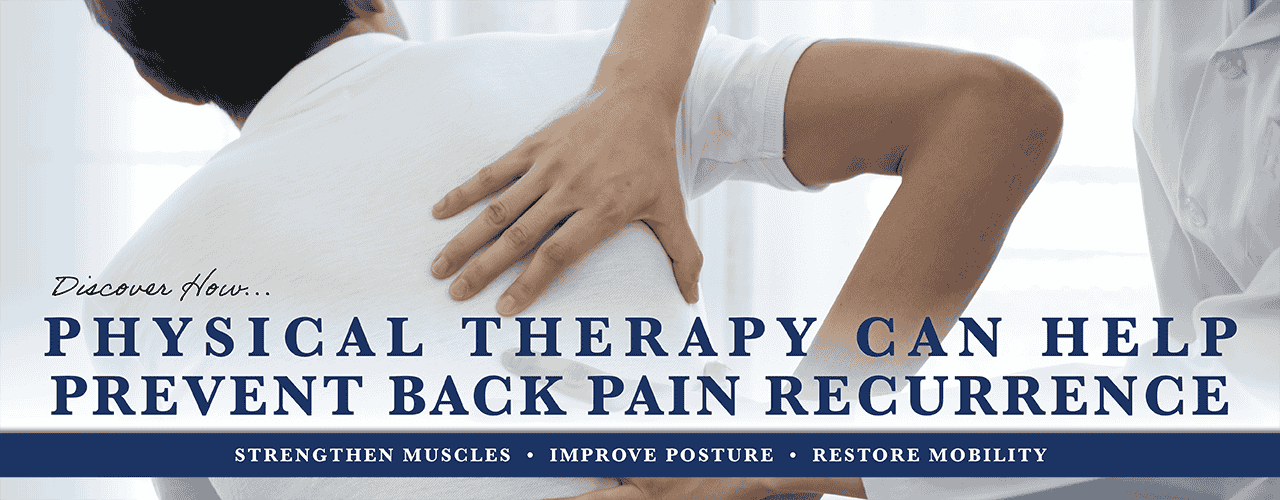
How Physical Therapy Can Help Prevent Back Pain Recurrence

Back pain has a way of coming back when you least expect it. One day, you’re fine, and the next, you’re dealing with the same discomfort you thought was gone for good. If this sounds familiar, you’re not alone. Recurring back pain is one of the most common reasons people seek medical care. The good news? Preventing back pain recurrence is absolutely possible with the right treatment plan.

Today, the team at [site-name] wants to help you better understand our role in addressing recurring back pain. We’ll explain why it happens and what physical therapy can do about it. Keep reading to learn more.

Why Does My Back Pain Keep Coming Back?

Back pain is surprisingly complex, and it isn’t always caused by a single event. In fact, it often stems from a blend of everyday habits, posture, and underlying health issues, such as the following:

  • Poor posture at work or home
  • Weak core muscles that fail to support your spine
  • Sedentary lifestyle with little physical activity
  • Improper lifting techniques
  • Previous injuries that weren’t fully healed
  • Stress that leads to muscle tension
  • Repetitive motions that strain the back

When these issues aren’t addressed properly, they create a cycle where pain returns repeatedly. Identifying these allows our team to create a personalized treatment program that addresses them directly, helping you find lasting relief.

Five Steps to Resolving Your Back Pain for Good

1. We Start with a Personalized Evaluation

The first step to lasting relief is determining what’s causing your pain. During your first appointment, we’ll:

  • Ask questions about your pain history and daily habits
  • Observe your posture, strength, and movement patterns
  • Identify muscle imbalances or joint restrictions

This evaluation lays the foundation for a treatment plan that focuses on preventing back pain recurrence, not just short-term relief.

2. Hands-On Therapy Reduces Pain and Improves Mobility

Your treatment will often kick off with manual therapy techniques that help ease stiffness and improve movement in the spine and surrounding muscles. Restoring your mobility supports long-term healing and reduces your risk of pain returning.

3. Targeted Exercises Strengthen Your Core and Back Muscles

Weak muscles leave your spine unsupported and vulnerable to strain. Most of our back pain programs involve targeted exercises that rebuild strength where you need it most, particularly in your back and core.

Strong, balanced muscles help prevent the movements and habits that trigger recurring pain.

4. Posture Training Builds Better Habits for Daily Life

Poor posture is one of the biggest contributors to back pain. Our team will teach you how to sit, stand, and move in ways that protect your spine. For example, we might guide you through proper lifting and bending techniques or assess and correct your body mechanics to reduce strain.

This kind of training is essential for preventing back pain recurrence, especially if your pain is tied to your work or daily routines.

5. Self-Management Tools Empower You To Take Charge of Your Spinal Health

One of the best things about physical therapy is that it gives you tools you can use for life. Our therapists can help you:

  • Understand what triggers your pain
  • Recognize early warning signs of recurrence
  • Develop a home exercise plan tailored to your needs

This knowledge keeps you in control and reduces reliance on medication or repeated doctor visits.

Stay Ahead of Back Pain with a Personalized Treatment Plan

Physical therapy is more than just a temporary fix. It addresses the root causes of your pain and teaches you how to prevent it from returning. Focusing on strength, movement, posture, and daily habits offers a powerful, long-term solution to back pain, so you can say goodbye to it for good.

Ready to get started? Schedule an appointment with [site-name] today!

Chronic Back Pain solution in Iowa
Understanding Chronic Back Pain

Chronic back pain is persistent discomfort extending beyond the usual course of acute injury or illness, often without a clear-cut diagnosis. Chronic pain impacts physical health, emotional well-being, and daily life. Physical therapy is a comprehensive, non-invasive strategy to help alleviate pain, improve mobility, and enhance quality of life.

Whether you’re dealing with long-standing back issues or recent onset of chronic symptoms, this guide provides insights into understanding chronic back pain and explores effective physical therapy approaches to managing and mitigating its impact.

Contact our team at Dubuque Physical Therapy in Iowa today to learn how we can assist in improving your comfort and mobility.

The Impact of Chronic Back Pain

Chronic back pain is typically defined by its duration, persisting for 12 weeks or longer, even after the initial injury or underlying cause of acute pain was treated.

Symptoms Associated with Chronic Back Pain

Persistent Aching or Stiffness

  • Anywhere along the spine, from the base of the neck to the tailbone.

Sharp, Localized Pain

  • Often felt in the lower back, especially after lifting heavy objects or engaging in other strenuous activities.

Radiating Pain

  • Radiating pain can extend from the lower back to the buttocks, down the legs, and into the feet, often as a result of nerve irritation.

Causes of Back Pain

Degenerative Conditions

  • Such as osteoarthritis or degenerative disc disease, which results from wear and tear on the spine over time.

Muscle or Ligament Strain

  • Repeated heavy lifting or a sudden awkward movement can strain spinal ligaments and muscles, causing chronic discomfort.

Bulging or Ruptured Discs

  • Discs act as cushions between the bones (vertebrae) in your spine. The soft material inside a disc can bulge or rupture, pressing on a nerve.

Skeletal Irregularities

  • Conditions like scoliosis, which causes a curvature of the spine, can lead to chronic back pain as individuals age.

Physical Therapy Approaches to Managing Chronic Back Pain

Physical therapy offers a multifaceted approach to managing chronic back pain, focusing on reducing pain, enhancing function, and teaching strategies for long-term back health.

Key Physical Therapy Interventions

Personalized Exercise Programs

  • Strengthening and flexibility exercises tailored to individual needs help support the spine, alleviate pain, and improve mobility.

Manual Therapy

  • Techniques such as massage, mobilization, and manipulation of muscles and joints can relieve pain and improve movement.

Education and Lifestyle Modification

  • Physical therapists provide advice on posture, ergonomics, and daily activities to manage pain and prevent further injury.

Pain Management Techniques

  • Modalities like heat/cold therapy, ultrasound, and TENS (transcutaneous electrical nerve stimulation) can help alleviate chronic back pain.

Find Back Pain Relief with Dubuque Physical Therapy in Iowa

If chronic back pain is impacting your life, don’t hesitate to seek help from a physical therapist. Our clinic provides personalized physical therapy services to address chronic back pain, helping you to achieve greater comfort and mobility. Contact us today to start your journey to a more comfortable and active life.

Running-Out-of-Relief-Options-For-Back-Pain
Running Out of Relief Options For Back Pain? Physical Therapy Can Help!

Back pain and discomfort costs the world’s economy 149 million workdays, according to the World Health Organization. This problem is extremely prevalent; in fact, 60-70 percent of individuals in developed countries suffer from it. The good news? You’re not alone if you’ve been suffering from back pain, and there is assistance available! Physical therapy is a great options for back pain relief.

If you live with chronic back pain, then you are well aware of how restricting it may be in your daily life. That’s why it’s critical to see a physical therapist as soon as the symptoms appear. The longer you wait, the more probable it is that your pain will develop into a more serious problem.

If you have been living with back pain, don’t wait any longer. Call Dubuque Physical Therapy today to schedule a consultation and get started on the best treatment plan for your needs.

Reasons your back is hurting

There are many different reasons you may be experiencing back pain, and ignoring any of them is not a good idea.

Although most people recover within 2-4 weeks, some people who, when left untreated, experience lower back for months leading to long-term pain and dysfunction.

Some of the most common issues associated with back pain include:

  • Improper posture or prolonged positions (i.e., prolonged sitting)
  • Spinal muscle and tissue damage (i.e., lifting strains or trauma from accidents)
  • Limited hip, spine, and pelvis mobility
  • Limited muscle flexibility
  • Spinal/pelvic muscle weaknesses (aka “core” weakness)
  • Poor abdominal, pelvic and back muscle coordination (i.e., compensations due to injury)

The source of acute pain comes from injury or irritation of the muscles, joints (including the intervertebral discs and facet joints), nerves or surrounding ligaments, and other soft tissue. Chronic back pain (i.e., lasting more than three months) is associated with older individuals and women. Chronic pain is also more common with overweight or obese people, sedentary lifestyles, and/or high-stress environments.

How can therapy help decrease my discomfort?

In order to help you regain mobility, function, and comfort, your physical therapist will focus on treating the source of your back pain. Your personalized treatment plan will include the most effective strategies for reducing pain, speeding up the healing process, and restoring function and movement to the damaged areas of your back.

Your first session will include a full evaluation, which will help your physical therapist determine which treatment options are appropriate for your orthopedic, neurologic, or cardiovascular issue.

Active physical therapy treatments for back pain

The goal of active physical therapy is to provide exercises that the patient can accomplish on their own. When your lower back pain has lessened to the point where your physical therapist believes you are ready for active physical therapy, he or she will create a customized exercise program for you.

Stretching, strength training, and stability training can all be used to help you regain flexibility, range of motion, and muscular strength. These exercises will aid in the rehabilitation of the sore area by providing support and guiding you through the process.

Passive physical therapy treatments for back pain

The purpose of passive physical therapy is to help pain become more manageable, and hopefully to alleviate it altogether. Lower back pain can be a debilitating condition, impeding your physical abilities. Because of this, physical therapists work hard to reduce pain as much as possible. Passive physical therapy can include any combination of these special treatments, as deemed fit by your physical therapist:

  • Manual therapy.
  • Dry needling.
  • Ultrasound.
  • Iontophoresis.
  • Hydrotherapy.
  • Electrical stimulation, such as TENS Units.
  • Ice/heat packs.
  • Massage.

Some of these methods are used to reduce pain and swelling, such as heat/ice packs and massage therapy.

Hydrotherapy is an aquatic-based treatment that involves patients performing low-intensity motions in water to relieve muscular tension and allow joints to move freely and painlessly.

While it may sound frightening, electrical stimulation is a harmless treatment that sends small pulses of electricity throughout your nervous system. This aids in pain reduction, as well as reducing muscular spasms and promoting the production of pain-relieving hormones in your body.

These techniques are more commonly used for the treatment of lower back pain than others, although any could be prescribed based on your physical therapist’s discretion.

What should I expect during treatment?

Physical therapy for back pain relief aims to relieve pain, increase function, and decrease the risk of future injury.

When you come in for your consultation, your physical therapist will perform a thorough examination that includes a physical examination as well as questions about your pain levels, lifestyle, and medical history. Following the collection of this information, your physical therapist will develop a personalised treatment plan tailored to your specific needs.

Treatment plans will include both passive and active treatment methods, as mentioned above. It is likely that your physical therapist will also provide you with gentle stretches and exercises to do on your own, in order to maintain the progress you make during your sessions.

You can find true, lasting relief today

If you have been living with back pain, call Dubuque Physical Therapy as soon as possible – we’ll provide you with the relief you need so you can get back to living a healthy, happy lifestyle without pain.

Sources: