Dubuque Physical Therapy | Sports & Orthopedic PT

How Physical Therapy Can Help with Degenerative Disc Disease Treatment

Back pain that won’t go away can take a serious toll on your daily life. If you’re struggling with stiffness, pain, or limited movement, you might be dealing with a condition called degenerative disc disease (DDD). The good news? There are proven ways to ease the discomfort—without relying on medication or surgery. One of the most effective options for degenerative disc disease treatment is physical therapy.

At [site-name], we regularly help people manage their degenerative disc disease through a comprehensive blend of different treatment techniques. We prepared this guide to DDD to help you understand this condition and what you can do to manage it.

What Is Degenerative Disc Disease?

Degenerative disc disease doesn’t mean your spine is falling apart—it just means that the discs in your back are wearing down, usually due to aging. These discs act like cushions between the bones (vertebrae) in your spine. When they start to thin or dry out, they can’t absorb shock as well as they used to, leading to pain and stiffness.

Everyone experiences degenerative changes in their discs to some degree as they get older–it’s a normal part of aging. DDD refers specifically to situations where this degeneration causes pain and discomfort.

Symptoms of Degenerative Disc Disease

  • Lower back or neck pain that comes and goes
  • Pain that gets worse with bending, lifting, or twisting
  • Numbness or tingling in the arms or legs
  • Weakness in the limbs
  • Relief when lying down or changing positions

How Physical Therapy Supports Degenerative Disc Disease Treatment

Physical therapy is one of the most effective non-surgical options for degenerative disc disease treatment. It targets the root causes of your symptoms, helping you stay active and avoid further damage.

Five Benefits of Physical Therapy for Degenerative Disc Disease

Pain Relief

  • Techniques like manual therapy, targeted stretching, and heat or cold therapy help reduce muscle tension and discomfort.

Improved Mobility

  • We’ll guide you through safe movements to improve your spine’s range of motion and make daily activities easier.

Strength Building

  • Strengthening the muscles around your spine, especially your core, adds support and stability to reduce pressure on your discs.

Posture Training

  • Poor posture puts extra stress on your spine. Therapy helps you relearn healthier ways to sit, stand, and move.

Education and Self-Care 

  • You’ll learn exercises and habits you can use at home to stay active and reduce the chance of flare-ups.

Why Choose Physical Therapy Over Other Treatments?

Many people turn to pain medications to manage DDD, but these only provide temporary relief. Physical therapy focuses on long-term recovery. With the team at [site-name], you’ll build strength, restore movement, and reduce your reliance on medications. In many cases, physical therapy can also delay or eliminate the need for more invasive procedures, including spinal surgery. It’s a smart, research-backed choice for people looking to manage symptoms naturally.

Most importantly, physical therapy is tailored to your body. We’ll build your treatment plan around your symptoms, lifestyle, and goals.

Ready to Move Better and Feel Stronger?

Degenerative disc disease doesn’t have to control your life. With the right treatment plan, you can get back to doing the things you enjoy, without pain holding you back. If you’re looking for an effective, research-supported approach to degenerative disc disease treatment, physical therapy may be the answer.

Contact [site-name] today to schedule an appointment or learn more about how we can help.

Dealing with Lower Back Pain

Dealing with Lower Back Pain? How to Find Lasting Relief in Dubuque

Lower back pain is one of the most common reasons people miss work or skip out on weekend plans. Whether it’s a dull ache after a day at the office or a sharp pull while working in the yard, back pain can feel like an invisible weight holding you back.

The good news? Most back pain is mechanical, meaning it responds exceptionally well to movement-based treatment.

Common Causes of Lower Back Pain

Understanding the root cause is the first step toward recovery. Often, pain stems from:

  • Muscle Strains: Overstretching or tearing ligaments from heavy lifting.

  • Disc Issues: Bulging or herniated discs that irritate nearby nerves.

  • Postural Stress: Long hours sitting with poor lumbar support.

  • Arthritis: Wear and tear of the spinal joints over time.

Why “Wait and See” Isn’t a Strategy

Many people hope back pain will simply vanish on its own. While minor tweaks might resolve in a few days, chronic tightness often leads to “compensatory movements”—where your body moves awkwardly to avoid pain, eventually causing issues in your hips or knees.

How Physical Therapy Helps

Physical therapy isn’t just about exercises; it’s about “re-training” your body to move efficiently. At Dubuque Physical Therapy, the focus is on identifying the specific movement triggers causing your discomfort.

Through a combination of manual therapy, targeted stretching, and core stabilization, you can reduce inflammation and build a “natural corset” of muscle to protect your spine.

Tips for Immediate Relief at Home

While professional guidance is key, you can start managing symptoms today:

  1. Modify, Don’t Stop: Avoid total bed rest. Light walking helps maintain blood flow to the spinal discs.

  2. Check Your Setup: If you work at a desk in Dubuque, ensure your monitor is at eye level and your feet are flat on the floor.

  3. Heat vs. Ice: Use ice for acute injuries (the first 48 hours) to reduce swelling, and switch to heat for chronic muscle stiffness.

Get Back to Your Life

You don’t have to live with the constant “reminder” in your lower back. If you’re tired of the ache, the team at Dubuque Physical Therapy is ready to help you get back to your favorite local hiking trails or simply playing with your grandkids without pain.

Schedule your evaluation today and take the first step toward a pain-free life.

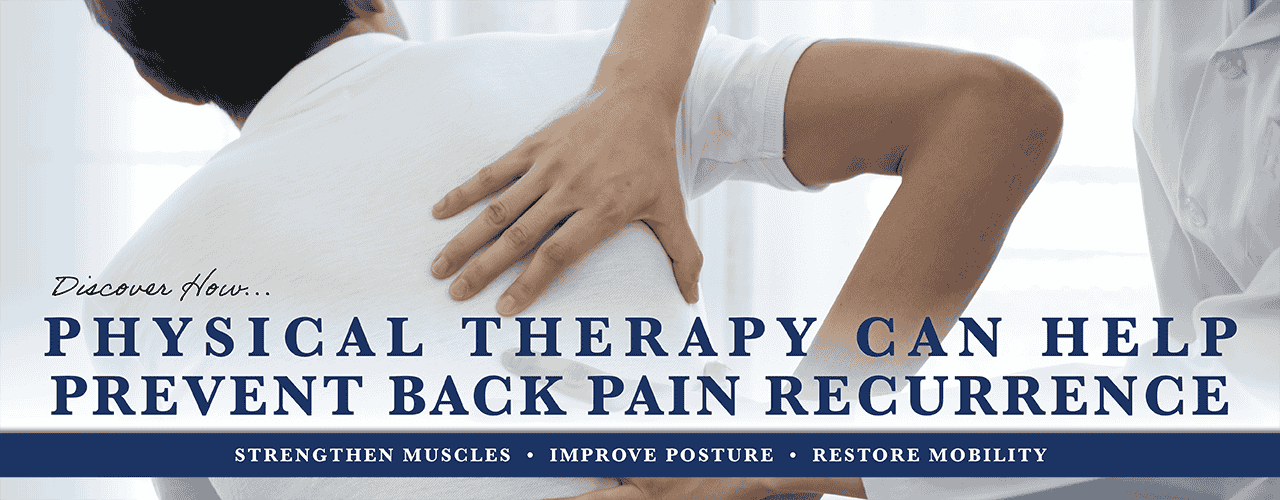
How Physical Therapy Can Help Prevent Back Pain Recurrence

Back pain has a way of coming back when you least expect it. One day, you’re fine, and the next, you’re dealing with the same discomfort you thought was gone for good. If this sounds familiar, you’re not alone. Recurring back pain is one of the most common reasons people seek medical care. The good news? Preventing back pain recurrence is absolutely possible with the right treatment plan.

Today, the team at [site-name] wants to help you better understand our role in addressing recurring back pain. We’ll explain why it happens and what physical therapy can do about it. Keep reading to learn more.

Why Does My Back Pain Keep Coming Back?

Back pain is surprisingly complex, and it isn’t always caused by a single event. In fact, it often stems from a blend of everyday habits, posture, and underlying health issues, such as the following:

  • Poor posture at work or home
  • Weak core muscles that fail to support your spine
  • Sedentary lifestyle with little physical activity
  • Improper lifting techniques
  • Previous injuries that weren’t fully healed
  • Stress that leads to muscle tension
  • Repetitive motions that strain the back

When these issues aren’t addressed properly, they create a cycle where pain returns repeatedly. Identifying these allows our team to create a personalized treatment program that addresses them directly, helping you find lasting relief.

Five Steps to Resolving Your Back Pain for Good

1. We Start with a Personalized Evaluation

The first step to lasting relief is determining what’s causing your pain. During your first appointment, we’ll:

  • Ask questions about your pain history and daily habits
  • Observe your posture, strength, and movement patterns
  • Identify muscle imbalances or joint restrictions

This evaluation lays the foundation for a treatment plan that focuses on preventing back pain recurrence, not just short-term relief.

2. Hands-On Therapy Reduces Pain and Improves Mobility

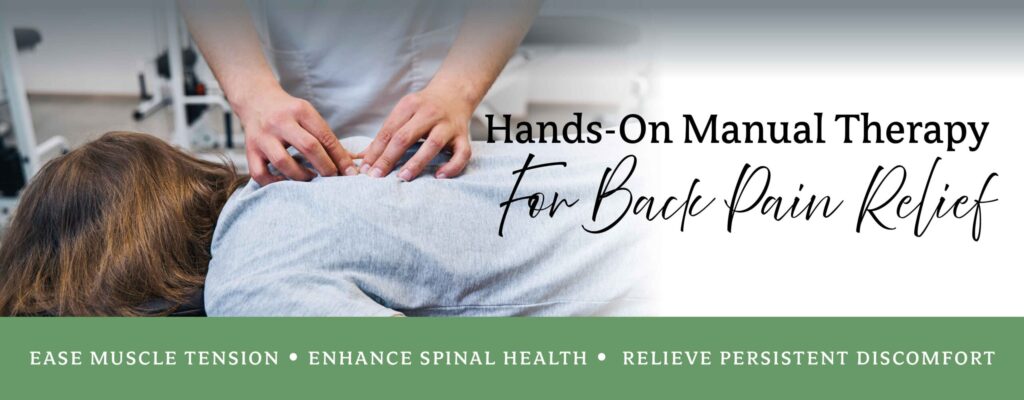
Your treatment will often kick off with manual therapy techniques that help ease stiffness and improve movement in the spine and surrounding muscles. Restoring your mobility supports long-term healing and reduces your risk of pain returning.

3. Targeted Exercises Strengthen Your Core and Back Muscles

Weak muscles leave your spine unsupported and vulnerable to strain. Most of our back pain programs involve targeted exercises that rebuild strength where you need it most, particularly in your back and core.

Strong, balanced muscles help prevent the movements and habits that trigger recurring pain.

4. Posture Training Builds Better Habits for Daily Life

Poor posture is one of the biggest contributors to back pain. Our team will teach you how to sit, stand, and move in ways that protect your spine. For example, we might guide you through proper lifting and bending techniques or assess and correct your body mechanics to reduce strain.

This kind of training is essential for preventing back pain recurrence, especially if your pain is tied to your work or daily routines.

5. Self-Management Tools Empower You To Take Charge of Your Spinal Health

One of the best things about physical therapy is that it gives you tools you can use for life. Our therapists can help you:

  • Understand what triggers your pain
  • Recognize early warning signs of recurrence
  • Develop a home exercise plan tailored to your needs

This knowledge keeps you in control and reduces reliance on medication or repeated doctor visits.

Stay Ahead of Back Pain with a Personalized Treatment Plan

Physical therapy is more than just a temporary fix. It addresses the root causes of your pain and teaches you how to prevent it from returning. Focusing on strength, movement, posture, and daily habits offers a powerful, long-term solution to back pain, so you can say goodbye to it for good.

Ready to get started? Schedule an appointment with [site-name] today!