
Dubuque Physical Therapy | Sports & Orthopedic PT

physical-therapy-clinic-graston-dubuque-physical-therapy-Dubuque-IA
5 Signs You’re One Workout Away from an Injury (And How to Prevent It)

5 Signs You’re One Workout Away from an Injury (And How to Prevent It)

physical-therapy-clinic-Sports-Medicine-dubuque-physical-therapy-Dubuque-IA

At Dubuque Physical Therapy we see many patients who come in with injuries that could have been avoided if they had just listened to their bodies 24 hours earlier. Your body is actually pretty chatty, you just have to know the language it’s speaking.

Here are the 5 red flags that you are on the brink of an injury, and exactly what you should do instead.

1. The “Nagging” localized Pain

We all know the feeling of “good” muscle soreness (DOMS) that feels like a dull ache across a whole muscle group. But if you have a sharp, stabbing, or localized pain in a specific joint or tendon that doesn’t go away after your warm-up, that’s a major red flag.

      • The Fix: Stop the specific movement that triggers it. Switch to a low-impact activity or focus on a different body part for 48 hours.

2. Your Form is Breaking Down

If you’re on your third set and you find yourself “cheating”—using momentum, arching your back, or swinging your arms—to finish a rep, you are in the danger zone. When your primary muscles fatigue, your body recruits smaller “helper” muscles that aren’t designed for that load.

      • The Fix: Check your ego at the door. Drop the weight or reduce the reps. Quality will always beat quantity when it comes to long-term gains.

3. You’re Feeling “Heavy” or Lethargic

Sometimes the sign isn’t a physical pain, but a systemic one. If your usual weights feel twice as heavy as they did last week, or if your resting heart rate is higher than normal, you might be experiencing Overtraining Syndrome.

      • The Fix: Take a “Deload Week.” Reduce your intensity by 30-50% or take two full days off. Your muscles actually grow while you rest, not while you work!

4. Reduced Range of Motion

Are you feeling unusually stiff? If you can’t reach the same depth in your squat or your shoulders feel “tight” and restricted during an overhead press, your tissues are likely inflamed or overworked. Forcing a joint through a range it isn’t ready for is a recipe for a tear.

      • The Fix: Spend 15 minutes on dynamic stretching and mobility work. If the tightness doesn’t release, make it a mobility-only day.

5. You’re Relying on Ibuprofen to Get Through

If you find yourself reaching for Ibuprofen before your workout just to “numb the ache” so you can perform, stop right there. Masking pain is like turning off a smoke alarm while the fire is still burning.

      • The Fix: Address the root cause. Pain is a signal, not an inconvenience to be silenced.


Don’t Wait for the “Pop”


Most injuries don’t happen out of thin air; they are the result of ignored whispers that eventually turned into a scream. If any of these signs sound familiar, your body is asking for professional help.

Let’s get you back to 100% before a small ache becomes a big problem. Whether it’s a quick screen or a full assessment, we are here to help you move better and stay in the game. and let’s keep you moving safely!

Spring Back into Motion: Preventing Overuse Injuries

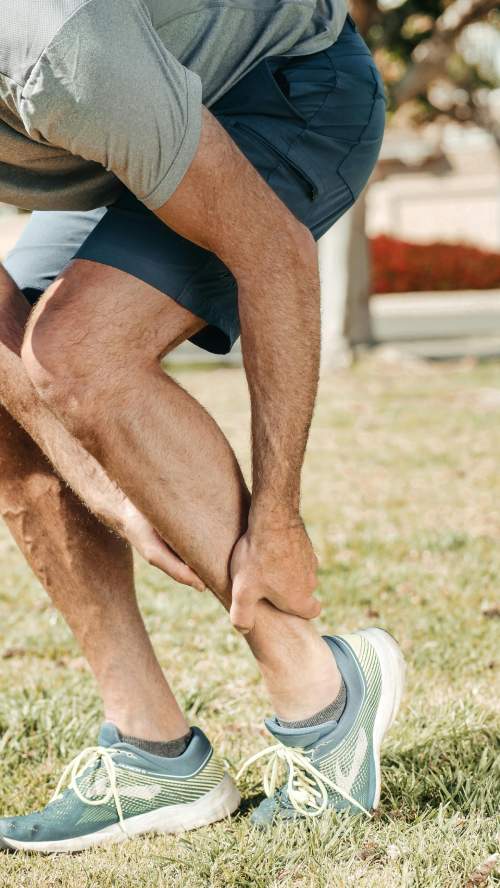
As flowers bloom and the days get longer, it’s natural to want to get outside. Whether you’re digging in your garden, hitting the trails, or playing sports, spring brings new energy. But if you were inactive this winter, your body might not be ready for a sudden burst of activity.

What Are Overuse Injuries?

Overuse injuries happen when we do too much, too soon, or too often. These aren’t injuries from a fall or sudden twist. Instead, they build up slowly from repeating the same movements over and over. Common symptoms of overuse injuries include:

  • Muscle soreness that doesn’t go away
  • Painful joints that ache when moving
  • Tendons that feel tender to touch
  • Swelling that doesn’t go down

Why Spring Can Be Risky

After winter, many of us jump back into activities at full speed. Our bodies aren’t prepared for this sudden change. Think about it:

  • We’ve been less active during cold months
  • Muscles might be weaker or tighter
  • Our stamina isn’t what it was last fall
  • We’re excited about the nicer weather and may do too much at once

5 Simple Ways to Prevent Injuries 

1. Start Slow 

Begin with just 15-30 minutes of your activity.

Add a little more time each week – 10% is a good guideline. Your body needs time to adjust!

2. Warm Up Right

Never skip your warm up.

Take 5-10 minutes to walk, do gentle stretching, and move your joints before any activity.

3. Mix It Up

Don’t do the same activity every day.

Trying different things will let you use new muscle groups and give others rest.

4. Listen to Your Body 

Pain is a warning sign. 

If something hurts, stop and rest. A little muscle soreness is normal, but sharp pain isn’t.

5. Use Good Tools and Form

For gardening, use tools with padded handles and kneel instead of bending. For sports, make sure your gear fits well and learn proper form.

Your Physical Therapist Can Help

Your PT is your body’s best friend when getting active again. We can: 

  • Check your movement patterns to spot problems before they cause pain
  • Create a safe plan to build strength and flexibility
  • Teach you specific exercises for your favorite activities
  • Show you proper form to prevent strain
  • Help you recover if you do get hurt

Don’t let an injury stop you from enjoying spring! With a little care and the right help, you can stay active and pain-free all season long.

Call our office today to schedule a spring check-up – your body will thank you!

frankie-lopez-lXy07zu3NN4-unsplash
Pickleball – Dubuque is serving it up

If you haven’t heard of pickleball, you might be behind the times. According to the Sports & Fitness Industry Association, pickleball was the fastest-growing sport in the United States from 2019 to 2021 with an estimated 5 million people playing it. Pickleball offers a great workout, great community and great fun. Read on to find out more about this sport and how to get involved with it in the Dubuque Area.

This year, I have had the opportunity to work with a few pickleball players in physical therapy. Prior to working with them I knew a little about the game, had played it a few times myself and knew that it was growing in popularity, especially in the older adult population. What I didn’t know is that there is a Pickleball Club in Dubuque that gets together a few times every week to play. I had the opportunity to work with one of those players in physical therapy, and she invited me to one of their get togethers to educate the group on the importance of a warm up and cool down. I even got to practice those things with the members.

Let’s back it up. How about we start with a little background on what pickleball is.

Pickleball is like small scale tennis, or maybe like giant ping pong. Either way, it is fun, fast paced and great exercise. You can play singles or doubles pickleball, with each player holding a paddle and using a ball similar to a wiffleball. The rules follow closely to those of badminton.

Pickleball is beneficial to your health in many ways:

  • challenges your cardiovascular system – you will probably be breathing heavy after a good pickleball match!
  • requires flexibility in your spine and hips – that is why it is always a good idea to perform a good warm up and cool down.
  • works on your reflexes – because the pickleball court is small, it requires a quick reaction time to reach the ball before it hits the court.
  • it is a social game – being social and exercising are both so good for your mental health!

Like any other sport, if you don’t have the appropriate fitness level as your baseline, you are more likely to end up with an injury. Use a good, dynamic warm up (like the one I taught the Dubuque Pickleball Club) including marches, leg swings, spinal rotations, etc. to help reduce injuries. It is also to ease into it, playing for 30 minutes or less the first time and then gradually increasing the amount of time you play. To be a successful pickleball player, you’ll need good balance, spine and hip rotation, good leg strength and fast reflexes. All of those things are things a physical therapist can help you improve!

So where can I play??

In nice weather, Dubuque has a few outdoor pickleball courts. There are courts at Veterans Memorial Park near Wahlert High School and at Flora Park. In the winter, the options are a little more limited. The Peosta Community Center has courts that can be reserved 1 week in advance for non members and 2 weeks in advance for members. There is a daily fee for non members. Find out more on their website: https://www.cityofpeosta.org/community-centre/wellness-amenities. 

So, don’t snooze on pickle ball! Whether it’s outside during nice weather or indoors this winter, pickle ball is a great sport for people of all ages to help maintain your fitness and stay active!