
Dubuque Physical Therapy | Sports & Orthopedic PT

A lady sleeping
The Importance of A Good Night’s Sleep

Written by Ashley Wood, PT, MPT

It is probably not news to many of you that sleep dysfunction has become a major problem in our country.  The CDC has reported that 70 million Americans have extreme sleep problems while almost 50% of Americans feel sleepy during the day, at least three days out of the week.  But, why is this such a big deal?

Why is sleep important?

Sleep is restorative and important for the function of all of our body systems.  We all know that when we do not get enough sleep it is harder to:
The Importance of A Good Night's Sleep
  • concentrate,
  • process information,
  • remember things,
  • and just overall makes us feel crabby.

But sleep affects many other areas of our bodies as well

The rise of chronic conditions in our country such as diabetes, obesity, IBS and other digestive problems, anxiety, depression, dementia, and Alzheimer’s disease have been linked to several lifestyle influences, including lack of good quality sleep.

The lack of sleep is also a driver of pain.  Of course being in pain can cause us to have difficulty with sleeping, but the reverse is also true.  Lack of sleep can:
  • increase our pain sensitivity,
  • decrease pain threshold,
  • and decrease our body’s natural endorphins that help with modulating pain.  

This is why we as physical therapists often educate our patients on sleep and ask questions to determine if there may be an undiagnosed sleep disorder present.  Getting a proper amount of sleep not only helps with the healing of your tissues after an injury, but also can affect the pain that you are experiencing related to that injury.

How much sleep should you get?  

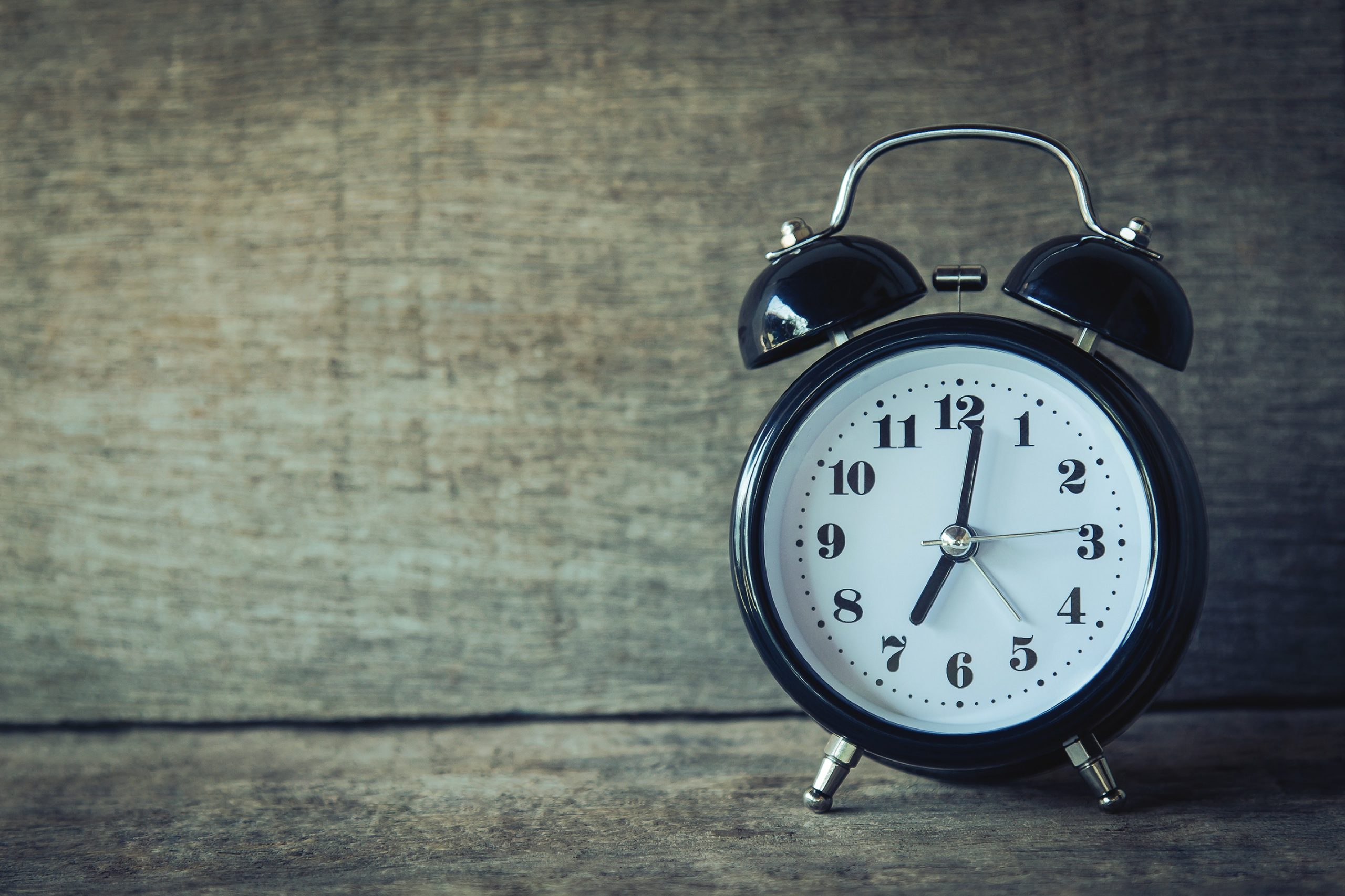
It is recommended that the average adult get at least seven hours of sleep per night.
The Importance of A Good Night's Sleep

But, the quality of your sleep is just as important as the quantity of your sleep.

If you find yourself waking up several times per night or not feeling rested after getting the quantity of sleep needed, you are likely not getting good quality sleep.  If this is the case, it is important to speak with your health care provider to determine if there is an underlying cause for not getting good quality sleep or if there are things that need to be adapted with your sleep behavior to assist with getting a better night’s sleep.

How do we change our sleep patterns to ensure a better night’s sleep, both in quantity and quality?

Sleep hygiene is the term used to describe establishing good sleep habits.  Here are a list of tips for helping to establish good sleep hygiene:
1.  Go to bed and wake up at the same time every day.  This establishes a good circadian rhythm for your body and makes it more natural for your body (and brain) to relax and fall asleep.  Also, try not to nap during the day as this makes it more difficult to go to bed at a consistent time and to fall asleep at night.
2.  The bed should only be for sleep and sex.  We should not watch TV in bed, use our phones in bed, or work/do homework in bed.  If we are only using our beds for sleep and sex then when we get into bed, our bodies and brains become accustomed to relaxing in preparation for falling asleep.  Many experts also recommend that the bedroom itself be off limits for working and watching TV and only be a place for sleeping.
3.  Decrease the amount you are stimulated prior to going to bed.  Try to use the last hour before going to bed as a time for relaxation.  Put your phone away and turn off the TV.  You can read a book or practice mindfulness or other relaxation techniques.
4.  What if I wake up at night? If you wake up during the night, try some relaxation techniques such as progressive muscle relaxation, deep breathing exercises, or mindfulness to settle your body and brain.  If you are unable to fall back asleep, get out of bed and do something that is relaxing until you are feeling tired again.

As you can see, sleep is an important part of our daily lives, not just so we feel good but so our bodies can function properly.  The lack of sleep has increasingly become a problem in our country and has been linked to many chronic illnesses.

If you are having difficulty falling asleep or staying asleep, or just don’t feel rested after getting a proper amount of sleep, talk with your health care provider to see if there may be underlying issues contributing to poor sleep quality.  Changing sleep patterns can be difficult and takes time, but your body will thank you for it!
Fruits
Functional Fitness: Gardening

Written by Ben Fern, PT, MPT

Anyone who visits a physical therapist knows that you leave with homework. In the PT world, we call this a Home Exercise Program (HEP). Success with injuries oftentimes relies heavily on how well our patients comply with their HEP.

Today I want to give each of my readers a HEP… get out in the garden!

How will it help?

Improves your fitness, flexibility, and strength

Gardening is a low intensity exercise that involves numerous functional movements such as squatting, lunging, bending, pulling, pushing, lifting, and eating. You do not need an expensive gym membership or piece of exercise equipment, all you have to do is walk out the back door to your own personal workout facility… your yard! When you are done with your workout, not only will you have done all of those functional movements that we love so much in PT, but you will see the accomplishments as the garden will look better, the food will grow better, and you will taste the rewards. 

Provides a healthy reward

   Gardening does not just make you stronger, more flexible, and more fit. You also get the freshest and most healthy food available. When you grow your own food, it not only tastes better because you can pick it at the height of freshness, but it also tastes better because you grew it!

Improves your cognitive ability

   Gardening allows you to unplug from the busy, fast-paced society that we live in and allows you to:

  • slow down
  • experience nature
  • learn from all of the seasons and cycles that occur in nature
  • and clear away some of the stress of life.   

There are a million rabbit holes that you can go down (hopefully not literally!). You may start learning about new varieties of plants that you didn’t know existed. You may become interested in learning about fruit trees, or pollinators, or keeping bees, or composting. The possibilities are endless!

Gardening builds community

What are you going to do with all these veggies? Any gardener knows that a small plant in the spring can lead to abundance in the summer and fall, which is why I don’t plant zucchini… everyone has extra! Share your produce, show off your tomatoes, find someone who likes brussel sprouts (I think those people exist), and maybe take a class to meet like-minded individuals who share the same interests. 

 So your homework, from your local PT and fellow gardener, home orchardist, and beekeeper,  is to get out in your garden this year and reap the rewards.

A girl running
Starting Off on the Right Foot

Written by Jeremy Jordan, PT, DPT, ATC, CSCS

Living in the Midwest often presents challenges for the “fair weather” runners. As spring/summer approaches many individuals have an increased desire to begin returning to a more active lifestyle, which oftentimes includes running. After a long Iowa winter, it is important to prepare your body to return to higher impact activities. As Physical Therapists, it is common for our profession to see an increase in running related injuries in the spring and summer. These injuries are often related to acute muscle strains or overuse injuries that can be prevented with a few simple tips.

HOW TO PREVENT INJURY

Warm-Up

Warming up prior to running or exercise can be very effective in preventing injuries and improving performance. A simple 3-5 min walk prior to running helps to increase heart rate and increase blood flow to your muscles to help you get into a running rhythm faster.

Hydration

Maintaining an appropriate level of hydration is important for your body to function normally. Drinking water helps to regulate your body temperature and improve muscle function. Pre and Post running hydration will help you improve performance and recover faster.

Recovery

Stretching and foam rolling are a couple of commonly used techniques when discussing recovery of function following running. Static stretching post running, when your muscles are warm and pliable, has been shown to help improve muscle length. Foam rolling post running has been shown to assist with improving range of motion and decreasing myofascial restrictions following running. These techniques help with reduction of post running soreness and decrease recovery time.

Running Mechanics

Running with proper body mechanics plays a major part in regards to injury prevention. Understanding and practicing proper running mechanics will help you become a more efficient runner and assist with preventing overuse injuries related to abnormal str

ess on muscles/joints. If you want to learn more about running mechanics, check out our Running Series Brochure!

BE PROACTIVE

Understand When Soreness is OK

As a Physical Therapist, I often speak with my clients about the importance of knowing the difference between soreness and pain. Muscle soreness is an important component to improving muscular strength and function and overall progression, but without proper recovery this soreness could lead to pain or injury. Most injuries can be prevented with a few simple measures.

Whether you are an ultra-marathoner or a “fair weather” runner, all runners could benefit from improving running mechanics. We have many great Physical Therapists available to assist with evaluating running mechanics and improving overall technique/running efficiency.

A healthy runner is a happy runner.