Dubuque Physical Therapy | Sports & Orthopedic PT

Running
Use It and Improve it!
Written by Anne Kruse, PT, DPT, Therapeutic Pain Specialist, Cert. MDT

As I reflect on my own physical fitness over the years I am amazed at how true what I learned years ago in school really is. One of the phrases I have heard and now use is:

“If you don’t use it, you lose it.”

I distinctly recall the first time I found this phrase applied to me. During my first year of PT school I had settled into a routine of little to no exercise. The following summer a friend asked me to run the Bix 7 Road Race with her. I thought, “Sure, I was on the track team in high school and ran some in college, this will be fun.”

Little did I realize how completely out of shape I had become and the seven mile race was absolutely brutal. I must confess I walked the majority of it. That was a wake up call and I began to make a concerted effort to exercise a few times a week; walking with friends after class, playing an occasional game of racquetball, lifting weights, etc.

Why Not Me?

Fast forward to the spring of 2018. As my husband and I sat in the stands of Drake stadium watching our sons compete in the Drake Relays, I had another awakening. I was amazed as I watched an elderly gentleman take to the track and compete in the Masters 800. While his time didn’t break any records, he was out there doing it and clearly having fun. Yet again I had become too busy in my own life to exercise regularly, and yet this is what I teach people every day. With the support of my family and friends, I returned to running, ugly as it was. I found it challenging to even run a half mile initially, but have grown to really appreciate running as a means of exercising, relaxing, and spending time with my family and friends.

Why do I share this tale?

Because we are all human and have times in our lives when our own wellness plans get derailed. But fortunately, as humans, we also have an amazing ability to improve our wellness. In recent years I have learned the phrase, “Use it and improve it” and this holds true with all of our bodily systems.

What Does the Research Say?

In 1966, the Dallas Bed Rest and Training Study was conducted in which five healthy 20 year old male volunteers were recruited to spend the summer in bed. The cardiovascular fitness levels of the participants was measured before beginning the study.

After just three weeks in bed, without any weight bearing activity, the participants were found to have had such significant declines in their cardiovascular fitness that the bed rest was stopped.

On average the participants had a:

  • 27% decline in their ability to absorb and use oxygen
  • 26% decline in the amount of blood their hearts could pump through their bodies in a minute
  • 35 point increase in heart rate during a submaximal workout

To complete the study, the participants were taken through an eight week workout program.

  • 45% increase in their ability to use oxygen
  • 40% increase in the amount of blood their hearts pumped through their bodies in a minute
  • 49 point decrease in heart rate with a submaximal workout
Hmm, working out improved their heart and vascular system function to better than they were before the study.

But wait, there is more!

The same five participants were studied 30 years later (1996). Only two had continued to exercise and all had gained weight and body fat. At baseline it was found they on average had only declined 12% in their ability to absorb and use oxygen.

Thus, three weeks of bed rest at age 20 was more detrimental to their cardiovascular fitness than 30 years of aging.

Compared to the original study, there was no bed rest, but a training program was begun. In 1996 the training was less intense and involved walking, jogging and cycling over a period of six months instead of eight weeks based on the age of the participants and to reduce the risk of injury. After the training program, the participants had improved their ability to absorb and use oxygen by 14% to similar levels attained in the 1966 study.

Wow! Ok, but why do I care?

So, the take home point is this: no matter where you find yourself in life, it is important to your health to move. Whatever you choose to do, be it walk, jog, bike, or swim, have fun and realize you are helping to reverse the effects of inactivity and aging and are improving your cardiovascular fitness. If you find yourself needing some guidance, consult your physician, PT or personal trainer.

Now get out there and “Use it and improve it!”

Fruits
Functional Fitness: Gardening

Written by Ben Fern, PT, MPT

Anyone who visits a physical therapist knows that you leave with homework. In the PT world, we call this a Home Exercise Program (HEP). Success with injuries oftentimes relies heavily on how well our patients comply with their HEP.

Today I want to give each of my readers a HEP… get out in the garden!

How will it help?

Improves your fitness, flexibility, and strength

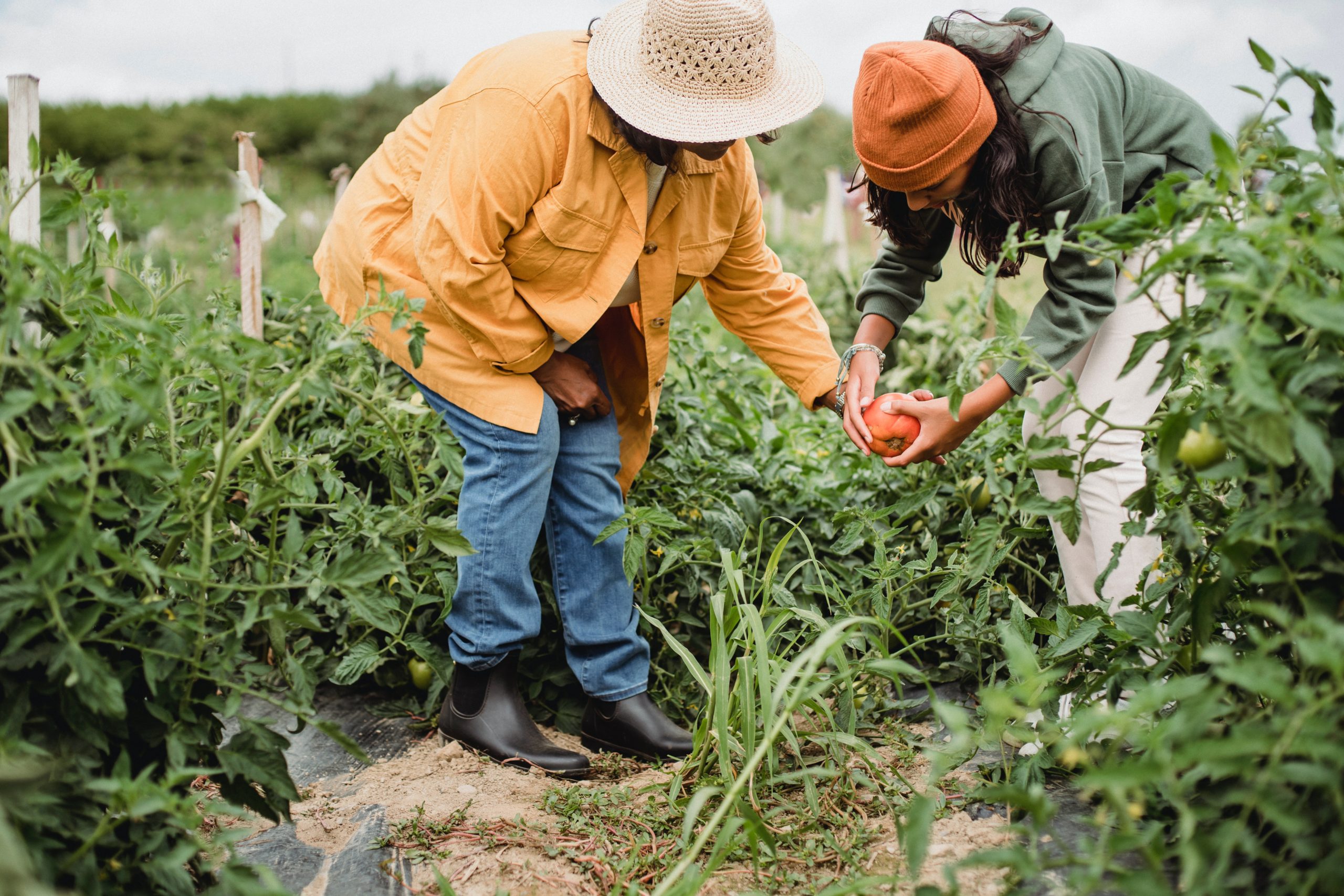
Gardening is a low intensity exercise that involves numerous functional movements such as squatting, lunging, bending, pulling, pushing, lifting, and eating. You do not need an expensive gym membership or piece of exercise equipment, all you have to do is walk out the back door to your own personal workout facility… your yard! When you are done with your workout, not only will you have done all of those functional movements that we love so much in PT, but you will see the accomplishments as the garden will look better, the food will grow better, and you will taste the rewards. 

Provides a healthy reward

   Gardening does not just make you stronger, more flexible, and more fit. You also get the freshest and most healthy food available. When you grow your own food, it not only tastes better because you can pick it at the height of freshness, but it also tastes better because you grew it!

Improves your cognitive ability

   Gardening allows you to unplug from the busy, fast-paced society that we live in and allows you to:

  • slow down
  • experience nature
  • learn from all of the seasons and cycles that occur in nature
  • and clear away some of the stress of life.   

There are a million rabbit holes that you can go down (hopefully not literally!). You may start learning about new varieties of plants that you didn’t know existed. You may become interested in learning about fruit trees, or pollinators, or keeping bees, or composting. The possibilities are endless!

Gardening builds community

What are you going to do with all these veggies? Any gardener knows that a small plant in the spring can lead to abundance in the summer and fall, which is why I don’t plant zucchini… everyone has extra! Share your produce, show off your tomatoes, find someone who likes brussel sprouts (I think those people exist), and maybe take a class to meet like-minded individuals who share the same interests. 

 So your homework, from your local PT and fellow gardener, home orchardist, and beekeeper,  is to get out in your garden this year and reap the rewards.

A girl running
Starting Off on the Right Foot

Written by Jeremy Jordan, PT, DPT, ATC, CSCS

Living in the Midwest often presents challenges for the “fair weather” runners. As spring/summer approaches many individuals have an increased desire to begin returning to a more active lifestyle, which oftentimes includes running. After a long Iowa winter, it is important to prepare your body to return to higher impact activities. As Physical Therapists, it is common for our profession to see an increase in running related injuries in the spring and summer. These injuries are often related to acute muscle strains or overuse injuries that can be prevented with a few simple tips.

HOW TO PREVENT INJURY

Warm-Up

Warming up prior to running or exercise can be very effective in preventing injuries and improving performance. A simple 3-5 min walk prior to running helps to increase heart rate and increase blood flow to your muscles to help you get into a running rhythm faster.

Hydration

Maintaining an appropriate level of hydration is important for your body to function normally. Drinking water helps to regulate your body temperature and improve muscle function. Pre and Post running hydration will help you improve performance and recover faster.

Recovery

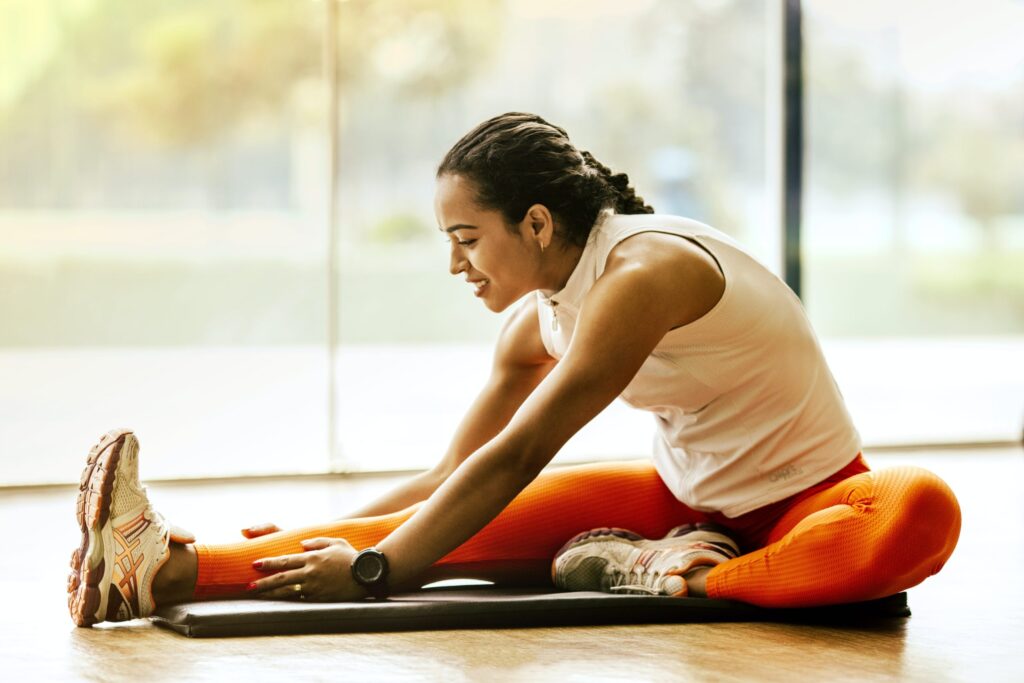
Stretching and foam rolling are a couple of commonly used techniques when discussing recovery of function following running. Static stretching post running, when your muscles are warm and pliable, has been shown to help improve muscle length. Foam rolling post running has been shown to assist with improving range of motion and decreasing myofascial restrictions following running. These techniques help with reduction of post running soreness and decrease recovery time.

Running Mechanics

Running with proper body mechanics plays a major part in regards to injury prevention. Understanding and practicing proper running mechanics will help you become a more efficient runner and assist with preventing overuse injuries related to abnormal str

ess on muscles/joints. If you want to learn more about running mechanics, check out our Running Series Brochure!

BE PROACTIVE

Understand When Soreness is OK

As a Physical Therapist, I often speak with my clients about the importance of knowing the difference between soreness and pain. Muscle soreness is an important component to improving muscular strength and function and overall progression, but without proper recovery this soreness could lead to pain or injury. Most injuries can be prevented with a few simple measures.

Whether you are an ultra-marathoner or a “fair weather” runner, all runners could benefit from improving running mechanics. We have many great Physical Therapists available to assist with evaluating running mechanics and improving overall technique/running efficiency.

A healthy runner is a happy runner.