
Dubuque Physical Therapy | Sports & Orthopedic PT

Chronic Back Pain solution in Iowa
Understanding Chronic Back Pain

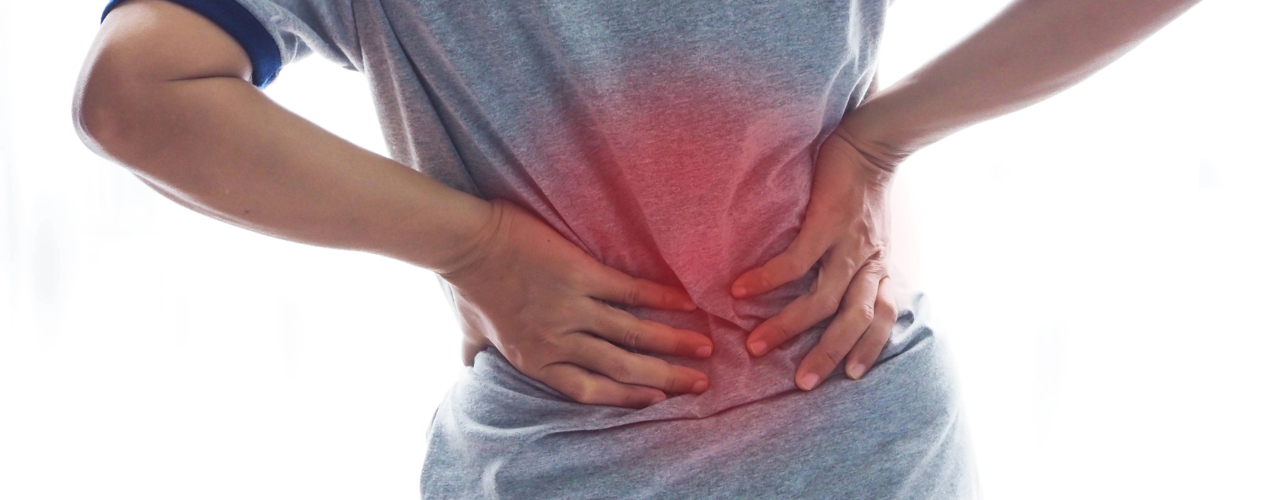
Chronic back pain is persistent discomfort extending beyond the usual course of acute injury or illness, often without a clear-cut diagnosis. Chronic pain impacts physical health, emotional well-being, and daily life. Physical therapy is a comprehensive, non-invasive strategy to help alleviate pain, improve mobility, and enhance quality of life.

Whether you’re dealing with long-standing back issues or recent onset of chronic symptoms, this guide provides insights into understanding chronic back pain and explores effective physical therapy approaches to managing and mitigating its impact.

Contact our team at Dubuque Physical Therapy in Iowa today to learn how we can assist in improving your comfort and mobility.

The Impact of Chronic Back Pain

Chronic back pain is typically defined by its duration, persisting for 12 weeks or longer, even after the initial injury or underlying cause of acute pain was treated.

Symptoms Associated with Chronic Back Pain

Persistent Aching or Stiffness

  • Anywhere along the spine, from the base of the neck to the tailbone.

Sharp, Localized Pain

  • Often felt in the lower back, especially after lifting heavy objects or engaging in other strenuous activities.

Radiating Pain

  • Radiating pain can extend from the lower back to the buttocks, down the legs, and into the feet, often as a result of nerve irritation.

Causes of Back Pain

Degenerative Conditions

  • Such as osteoarthritis or degenerative disc disease, which results from wear and tear on the spine over time.

Muscle or Ligament Strain

  • Repeated heavy lifting or a sudden awkward movement can strain spinal ligaments and muscles, causing chronic discomfort.

Bulging or Ruptured Discs

  • Discs act as cushions between the bones (vertebrae) in your spine. The soft material inside a disc can bulge or rupture, pressing on a nerve.

Skeletal Irregularities

  • Conditions like scoliosis, which causes a curvature of the spine, can lead to chronic back pain as individuals age.

Physical Therapy Approaches to Managing Chronic Back Pain

Physical therapy offers a multifaceted approach to managing chronic back pain, focusing on reducing pain, enhancing function, and teaching strategies for long-term back health.

Key Physical Therapy Interventions

Personalized Exercise Programs

  • Strengthening and flexibility exercises tailored to individual needs help support the spine, alleviate pain, and improve mobility.

Manual Therapy

  • Techniques such as massage, mobilization, and manipulation of muscles and joints can relieve pain and improve movement.

Education and Lifestyle Modification

  • Physical therapists provide advice on posture, ergonomics, and daily activities to manage pain and prevent further injury.

Pain Management Techniques

  • Modalities like heat/cold therapy, ultrasound, and TENS (transcutaneous electrical nerve stimulation) can help alleviate chronic back pain.

Find Back Pain Relief with Dubuque Physical Therapy in Iowa

If chronic back pain is impacting your life, don’t hesitate to seek help from a physical therapist. Our clinic provides personalized physical therapy services to address chronic back pain, helping you to achieve greater comfort and mobility. Contact us today to start your journey to a more comfortable and active life.

Knee Pain Solution in Iowa
Understanding the Causes of Knee Pain

Knee pain is a common ailment that affects individuals of all ages, presenting a significant challenge to maintaining an active and healthy lifestyle. Knee pain causes are varied, ranging from acute injuries to chronic conditions that lead to discomfort and mobility issues. Physical therapy can be beneficial in managing knee pain, offering non-invasive solutions designed to alleviate symptoms, restore function, and prevent future discomfort.

Experiencing knee pain and in search of answers and relief? Contact our team at Dubuque Physical Therapy in Iowa today to discover how we can help you navigate your knee pain and embark on a path to recovery.

Common Knee Pain Causes

Acute Injuries

Ligament Sprains and Tears

  • Injuries to the ACL (anterior cruciate ligament), MCL (medial collateral ligament), and other knee ligaments are common in sports that involve quick stops and turns.

Meniscus Tears

  • The meniscus, a rubbery cartilage between your thigh and shin bones, can tear during activities that involve twisting or turning your knee while bearing weight.

Overuse Injuries

Patellar Tendinitis

  • Patellar tendinitis is inflammation of the knee tendons, often seen in runners and cyclists.

IT Band Syndrome

  • Irritation and inflammation of the iliotibial band, a piece of tough tissue running from your hip down to the outside of your knee.

Degenerative Conditions

Osteoarthritis

  • Osteoarthritis is the most common form of arthritis affecting the knee, resulting from wear and tear of the cartilage.

Rheumatoid Arthritis

  • An autoimmune condition that can affect the knees by attacking the joint lining.

Other Causes

Bursitis

  • Bursitis is inflammation of the bursae, small fluid-filled sacs cushioning the knee joint.

Gout

  • Gout is a form of arthritis characterized by sudden, severe pain, redness, and tenderness.

Physical Therapy Approaches to Managing Knee Pain

Understanding root knee pain causes is crucial for developing an effective treatment plan to help you find lasting relief. Physical therapy offers a range of interventions tailored to the specific cause of one’s discomfort.

Physical Therapy Techniques

Personalized Exercise Programs

  • Strengthening and flexibility exercises help support the knee joint, improve range of motion, and reduce pain.

Manual Therapy

  • Hands-on techniques to improve joint mobility, alleviate muscle tension, and reduce inflammation.

Pain Management Techniques

  • Modalities like heat/cold therapy, electrical stimulation, and ultrasound help relieve pain.

Education and Prevention

  • Education on proper knee care, activity modification, and techniques help prevent future injuries or aggravation of chronic conditions.

Navigating Knee Pain with Dubuque Physical Therapy

If knee pain affects your day-to-day activities, our clinic is here to support you on your recovery journey. Contact our team at Dubuque Physical Therapy in Iowa to learn more about our physical therapy services tailored to knee pain and take the first step towards a life free from discomfort.

Know About How To Find Relief For Hip & Knee Pain in Iowa
Here’s What You Don’t Know About Finding Relief For Hip and Knee Pain

Your hips and knees are essential joints that work hard all day to give you the best possible function. They are common sources of pain and discomfort due to their complexity and constant use.

As the cartilage in one’s joints begins to break down with age, the risk of experiencing chronic hip or knee discomfort rises. Anyone can acquire hip or knee discomfort due to excessive overuse, unanticipated traumas, or underlying disorders.

You may have been told that the only way to find relief from hip and knee pain is through expensive surgery. While surgery is sometimes needed to correct certain conditions in the hip or knee, physical therapy has been proven to succeed in significantly lowering pain and improving function.

In many cases, physical therapy can even eliminate the need for a surgical procedure. If you are living with hip and/or knee pain and you are looking for relief, contact Dubuque Physical Therapy in Iowa today to see how our services can benefit you!

Common causes of knee and hip pain

When you make an appointment with a physical therapist, you can expect a comprehensive examination as the first step. Your physical therapist will assess you to determine the location of the sore area and the source of the discomfort.

For example, discomfort in the hips can occasionally be felt in the lower back, buttocks, groin, or the front or side of the hips. Knee pain can also be felt on the front or rear of the knee joint. If there has been a trauma to the knee, it can also be felt on the inside of the knee or the outside of the knee if you have iliotibial band tension.

Hip pain is typically reported as a constant dull ache that doesn’t disappear. However, knee pain is a bit different and is often assessed as one of several different types of pain:

  • Chronic – Chronic pain can be defined as any pain that lasts longer than two or three months. If you’ve been living with serious knee pain for that long, you should consult your doctor. They will most likely suggest performing another full physical exam in addition to x-rays.
  • Acute – Acute pain is the most intense type of knee pain. It typically occurs after an injury and will last for about a week. The treatment for acute pain is generally just to simply rest and isolate the affected area, as your body is working hard to heal it.
  • Subacute – Pain that lasts two to six weeks after an injury is known as subacute pain. Although the affected area may still be uncomfortable, it will not be as bad as the first week. Gentle motions promote a better range of motion and aid healing in treating subacute knee pain.

Physical therapy techniques can help you find true relief

When you arrive for your initial consultation, your physical therapist will conduct a comprehensive evaluation to determine the nature of your condition and the best steps for comfort. This evaluation will include:

  • Range of motion tests. Your physical therapist will test the limits of your knee or hip to see how far it will bend. This helps determine the severity of the trauma and will give your physical therapist insight into the course of treatment.
  • Palpation. Your physical therapist will gently palpate the knee or hip to determine where the pain originates.
  • Strength tests. Testing the strength of your knee and hip structures will give your physical therapist a better idea of whether your pain is due to an injury or a physical imbalance.
  • Gait analysis. Your physical therapist will assess how you walk to determine if anything is out of the ordinary with your gait.

Depending on your symptoms, your physical therapist may also perform balance tests to see if your balance has been affected. If any areas are inflamed, your physical therapist will focus closely on those areas. The test results will determine what methods will benefit your treatment plan.

Are you ready to feel better, faster?

Treatment plans will include targeted stretches and exercises to relieve pain and improve function in the affected hips or knees. Additional methods might be added as your physical therapist deems fit. Your progress will be closely tracked in order to help you reach your goals as quickly as possible.

If you are looking to relieve your hip and knee pains the natural way, contact Dubuque Physical Therapy in Iowa today. We’ll provide you with the treatment you need so you can get back on your feet!